Military & Home Buying
Military Home Buying Benefits in Virginia: A Complete Guide
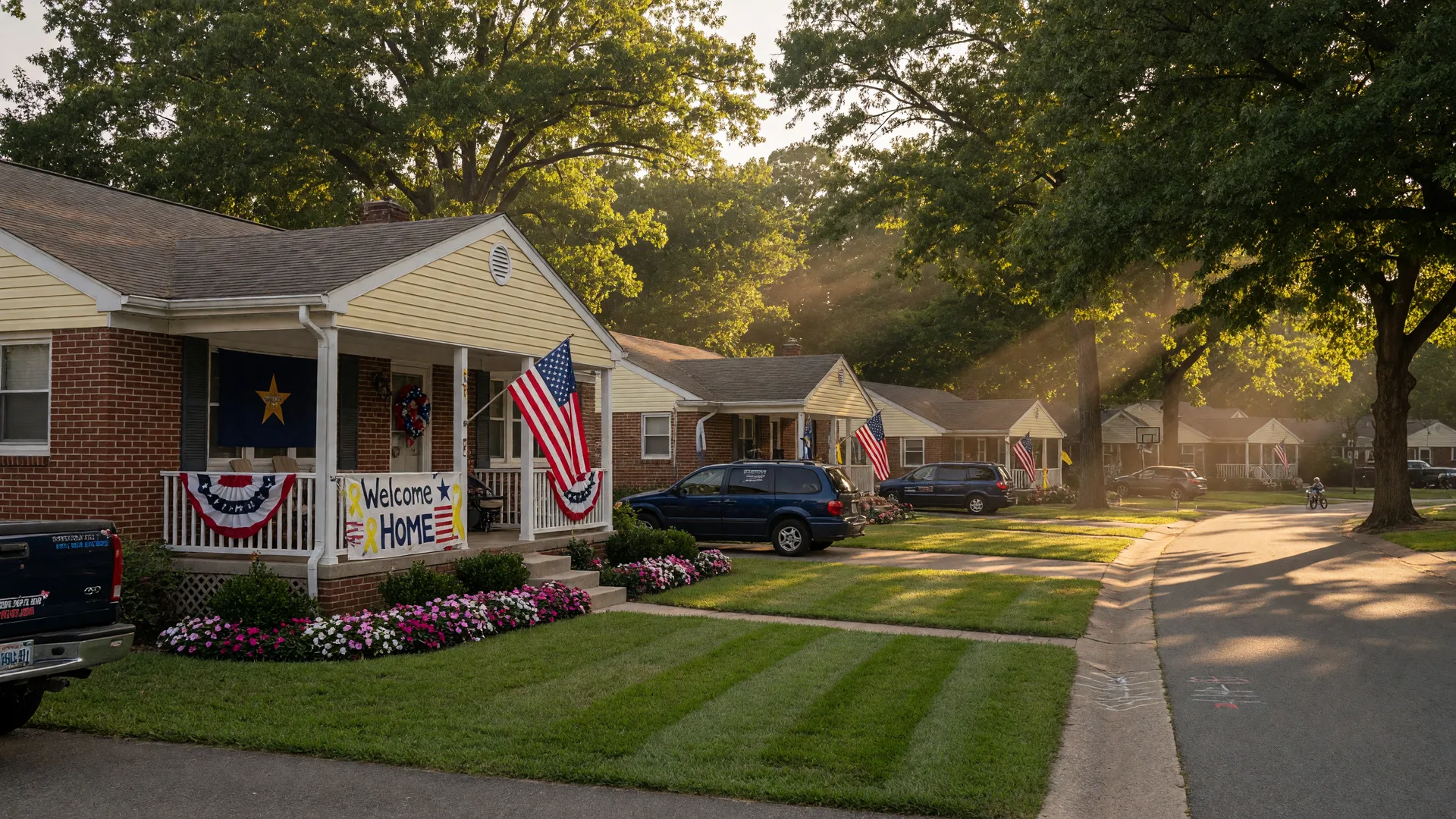
As a Marine Corps Veteran and hometown real estate agent with 24+ years in the business and over 1,000 transactions, I have helped hundreds of military families buy homes across Virginia. Virginia is one of the most military-friendly states in the country, and if you are serving or have served, there are benefits available to you that most civilians never get. This guide covers every Virginia-specific benefit for military home buyers, from VA loans and property tax exemptions to state programs and the best cities to plant your roots.
VA Loans in Virginia: What Makes Them Special
Virginia is home to some of the highest concentrations of military families in the country, and the real estate market here understands VA loans better than almost anywhere else. The VA loan is the most powerful tool in your home buying arsenal: zero down payment, no private mortgage insurance (PMI), competitive interest rates, and limited closing costs. In Virginia's competitive markets, having a VA loan with a strong pre-approval from a local lender who knows the process can be the difference between getting your offer accepted and losing out.
One little-known advantage Virginia offers: because so many military buyers use VA loans here, most listing agents and sellers already understand the strength of VA financing. In other states, sellers sometimes shy away from VA offers due to misinformation. In Virginia, especially in Hampton Roads and Northern Virginia, VA offers are treated with the same respect as conventional offers, and often close at higher rates.
Virginia Property Tax Exemptions for Disabled Veterans
Virginia offers one of the most generous property tax exemption programs in the country for veterans with a service-connected disability. If you are a Virginia resident and have been rated 100% permanently and totally disabled by the VA, your primary residence is fully exempt from real property taxes. This applies across all Virginia localities including Virginia Beach, Norfolk, Chesapeake, Newport News, and Richmond. The savings can be substantial: on a $400,000 home in Virginia Beach with a tax rate of roughly $1.01 per $100 of assessed value, that is over $4,000 in savings every single year.
Veterans with a disability rating of at least 70% may qualify for a partial exemption depending on the county or city. Some localities also offer additional exemptions or tax relief programs for veterans with lower disability ratings. The rules vary slightly by jurisdiction, so I can help you check the specific exemption amount for the city where you plan to buy.
To apply, you need your VA disability rating letter and proof of Virginia residency. The application goes through your local Commissioner of the Revenue's office. I recommend applying as soon as you close on your home so the exemption is in place from the start of the next tax cycle.
Virginia Housing Development Authority Programs for Military
The Virginia Housing Development Authority (VHDA) offers several programs that can stack with VA loan benefits to make homeownership even more affordable for military families:
VHDA Veterans Home Loan Program
This is a conventional loan alternative designed specifically for veterans who may not be eligible for a full VA loan (for example, National Guard or Reserve members who do not meet the VA's service requirement but still want a veteran-friendly product). It offers competitive rates and low down payment options with no monthly mortgage insurance.
VHDA Down Payment Assistance Grant
VHDA offers a down payment assistance grant of up to 2.5% of the purchase price for eligible buyers. This can be used alongside a VA loan (the VA allows up to 4% in seller concessions and down payment assistance from grant programs). You essentially get extra money toward your closing costs with no repayment required.
Mortgage Credit Certificate (MCC)
The MCC program gives you a federal tax credit worth up to 20% of the mortgage interest you pay each year. That means more money stays in your pocket at tax time. For a $300,000 mortgage at 6.5%, this translates to roughly $3,900 in annual tax savings. Active-duty families should check how this interacts with BAH, but in most cases it provides meaningful ongoing savings.
Income and purchase price limits apply for VHDA programs, but they are generous in high-cost areas like Northern Virginia and the Virginia Beach area. I can help you check whether you qualify based on the specific county and your household income.
How BAH Works With Mortgage Lending
Basic Allowance for Housing (BAH) is a critical factor in your mortgage qualification. The good news: BAH counts as qualifying income for VA loans and most conventional loans. Lenders view it as stable, reliable, and tax-free income. Here is how it works in practice:
The key takeaway: your BAH makes homeownership more affordable than you might think. I have seen families buy homes where the mortgage payment was lower than their BAH, meaning their housing came at no net out-of-pocket cost. Run the numbers with a local lender and you might be surprised at what you can afford.
Military Spouse Employment and Its Impact on Lending
Military spouse employment is a topic that comes up frequently when buying a home. Frequent moves make it hard to build a steady work history, and lenders sometimes struggle to count a spouse's income if there are gaps. Here is what you need to know:
Fannie Mae and Freddie Mac have specific guidelines that allow lenders to consider a spouse's income even with gaps in employment due to military moves. The lender simply needs to see that the spouse is currently employed and likely to continue. For VA loans, the guidelines are even more flexible. The VA does not require a minimum employment history for either spouse as long as there is a reasonable expectation of continued employment.
If you are a military spouse who works remotely or in a portable career (teaching, nursing, IT, healthcare, government contracting), your income is generally easy to qualify. The key is working with a lender who understands military family dynamics and does not default to rigid civilian employment rules.
Virginia First-Time Home Buyer Programs for Military
Virginia offers several first-time home buyer programs that military families can use alongside VA loans:
VHDA First Home Program
This is VHDA's flagship first-time buyer program offering 30-year fixed-rate mortgages with competitive rates. It can be combined with down payment assistance and the Mortgage Credit Certificate. Even if you have owned a home before, you may still qualify if you have not owned a home in the past three years or are buying in a targeted area.
VHDA FHA Plus Program
Combines an FHA loan (which can work well for military members who do not qualify for VA loans) with VHDA down payment assistance. The FHA minimum down payment is 3.5%, and the VHDA grant can cover most or all of it. This is a solid backup option if your VA loan entitlement is tied up in another property.
USDA Rural Development Loans
For military families looking at homes in Virginia's more rural areas, USDA loans offer zero down payment and competitive rates. Many areas of Virginia Beach and Chesapeake qualify as "rural" under USDA guidelines even though they are near the city center. If you are considering a home outside the immediate urban core, this is worth exploring.
Most Military-Friendly Cities in Virginia for Home Buying
Not all Virginia cities are created equal when it comes to military home buying. Here are the top cities and what makes each one stand out for military families:
Virginia Beach
The largest city in Virginia and home to NAS Oceana, Joint Expeditionary Base Little Creek, and within commuting distance of Naval Station Norfolk. Virginia Beach offers excellent schools, strong property values, and a large military community that understands VA loans. Neighborhoods near the oceanfront tend to be pricier, while areas like Pungo, Red Mill, and Kempsville offer more affordable options with shorter commutes to Oceana and Little Creek.
Norfolk
Home to the world's largest naval base, Naval Station Norfolk, as well as Naval Medical Center Portsmouth and portions of JEB Little Creek. Norfolk offers more affordable housing than Virginia Beach, especially in neighborhoods like Ghent, Larchmont, and Colonial Place. The downtown area has seen significant revitalization with new restaurants, breweries, and entertainment venues. The commute to the naval base from most Norfolk neighborhoods is under 15 to 20 minutes.
Chesapeake
Chesapeake consistently ranks among the best places to live in Virginia. It offers excellent schools, low crime rates, and newer housing stock at more affordable prices than Virginia Beach. The commute to Naval Station Norfolk is about 25 to 35 minutes. Neighborhoods like Great Bridge, Hickory, and Western Branch are particularly popular with military families. Chesapeake also has some of the lowest property tax rates in Hampton Roads.
Newport News
Home to portions of Joint Base Langley-Eustis (Fort Eustis side) and the Newport News Shipbuilding yard. Newport News offers some of the most affordable housing in the Hampton Roads region. The city has strong military community support and a range of neighborhoods from historic districts to new construction communities. It is a particularly good option for Army and Air Force families stationed at Langley-Eustis.
Hampton
Hampton offers affordable waterfront housing and is home to Langley Air Force Base (the other side of Joint Base Langley-Eustis). Neighborhoods like Phoebus, Fox Hill, and Coliseum Central offer good access to the base and the Hampton Roads Bridge-Tunnel for access to the Southside. The Buckroe Beach area offers oceanfront homes at a fraction of Virginia Beach prices.
Richmond / Northern Virginia
Beyond Hampton Roads, Richmond is home to Defense Supply Center Richmond and is within commuting distance of Fort Gregg-Adams (formerly Fort Lee). Northern Virginia near Quantico Marine Corps Base and the Pentagon is expensive but offers unmatched career opportunities for military spouses and veterans transitioning to civilian careers. Both regions have strong military communities and VA-experienced real estate professionals.
How to Choose the Right City Based on Your Duty Station
Your duty station determines your commute. Here is my quick-reference guide on which city to focus on based on where you are stationed:
| Duty Station | Best Cities to Buy In | Avg. Commute | Housing Range |
|---|---|---|---|
| Naval Station Norfolk | Norfolk, Virginia Beach, Chesapeake | 10-30 min | $280K-$600K |
| NAS Oceana | Virginia Beach, Chesapeake | 10-20 min | $320K-$700K |
| JEB Little Creek | Virginia Beach, Norfolk | 10-25 min | $300K-$550K |
| Fort Eustis (JBLE) | Newport News, Williamsburg, York County | 15-30 min | $250K-$500K |
| Langley AFB (JBLE) | Hampton, York County, Poquoson | 10-25 min | $280K-$550K |
| Coast Guard Portsmouth | Chesapeake, Portsmouth, Suffolk | 10-25 min | $250K-$450K |
| Quantico MCB | Woodbridge, Stafford, Fredericksburg | 15-35 min | $350K-$700K |
Price ranges are general estimates based on current market conditions and can vary significantly by neighborhood and home type. The commute times assume normal traffic; Hampton Roads traffic during peak hours can double those estimates, so I always recommend test-driving the route at the time you would actually be commuting.
Additional Virginia Military Home Buying Resources
Beyond the major programs, here are additional Virginia-specific benefits and resources every military home buyer should know:
Frequently Asked Questions
Can I use my VA loan to buy a home in Virginia if I am stationed out of state?
Absolutely. In fact, many military families buy homes in Virginia while stationed elsewhere and rent them out until they PCS here. The VA loan requires you to certify you intend to occupy the home within a reasonable time (typically 60 days), but if you are PCS'ing to Virginia in the near future, you can close before you arrive and move in when you get here.
What is the Virginia property tax rate for veterans?
There is no single rate. Property taxes are set by each locality. In Virginia Beach, the rate is approximately $1.01 per $100 of assessed value. In Chesapeake, it is around $0.93. The key benefit for disabled veterans is the full exemption from these taxes when you have a 100% permanent and total disability rating.
Can I combine VHDA down payment assistance with a VA loan?
Yes, in many cases. The VA allows sellers to contribute up to 4% of the purchase price toward your closing costs. Down payment assistance grants from VHDA can also be used, though you need to check that the grant program does not conflict with VA occupancy or loan terms. Most local lenders in Virginia are experienced at stacking these benefits.
How does flood insurance affect VA loans in Virginia Beach?
Virginia Beach has significant flood zone areas. If the home you are buying is in a FEMA-designated Special Flood Hazard Area, flood insurance is required for any federally backed loan, including VA loans. I make sure to check the flood zone status early in every search so there are no surprises at closing. The good news is most homes in Virginia Beach outside of oceanfront and creek-front areas are in low-risk zones.
What credit score do I need for a VA loan in Virginia?
The VA itself does not set a minimum credit score, but most lenders require 580 to 620. Some lenders offer no-minimum-score VA loans with manual underwriting, which can be a great option for veterans who have limited credit history but strong income and BAH. I can refer you to lenders who specialize in these scenarios.
Ready to Buy a Home in Virginia?
I am a Marine Corps Veteran who has helped hundreds of military families buy homes across Virginia. I know the benefits, the lenders, the neighborhoods, and exactly what it takes to get you into the right home. Talk soon.
Let's Get Started