Homeowner Tips & Seasonal Guide
Hurricane Season Home Prep for Virginia Beach
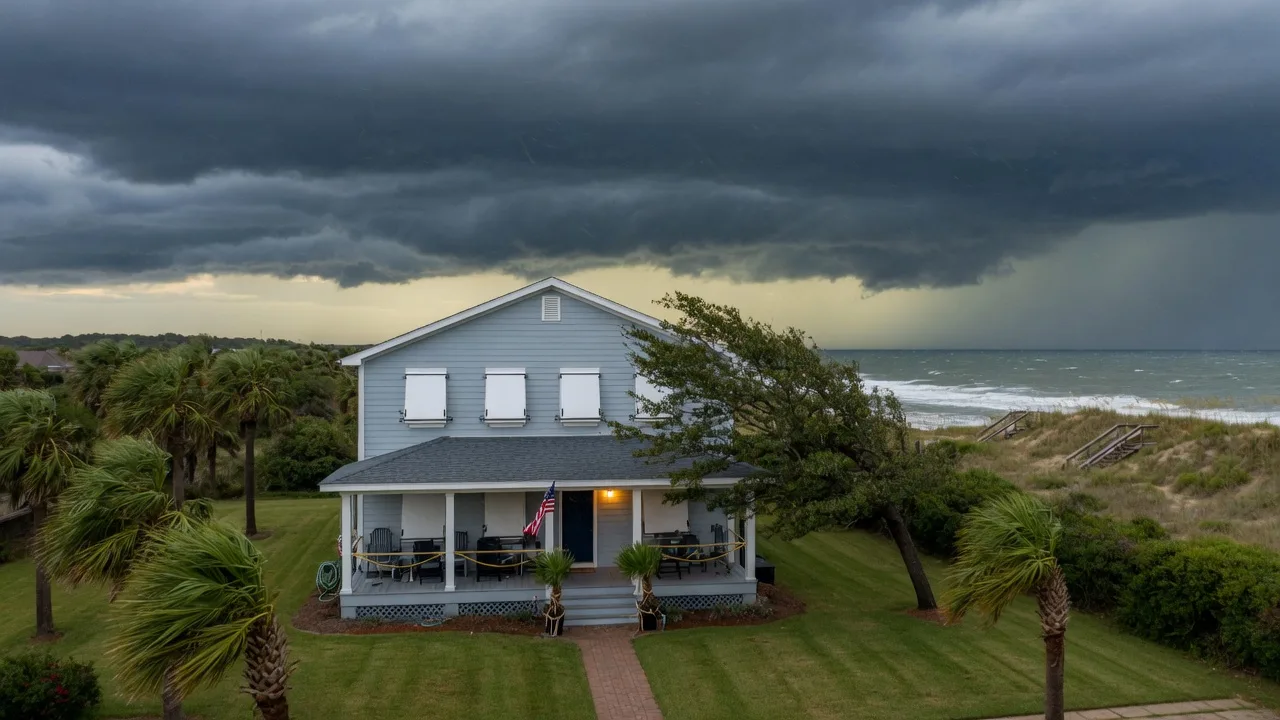
It is early September in Virginia Beach, and in a coastal town that means we are in the heart of hurricane season. The Atlantic season officially runs from June 1 through November 30, and the climatological peak lands right around September 10. I have lived through a lot of storm seasons in this city, and I want you on the prepared side of them. This is a straight, practical checklist to get your home and family ready before the next storm gets a name.
Know Your Evacuation Zone Before You Need It
Virginia uses the Know Your Zone system, with zones lettered A through D, and Virginia Beach has homes in every one of them. Your zone is assigned by your street address and tells you how much storm surge and flood risk your area carries. Look yours up on the Virginia Department of Emergency Management Know Your Zone map now, while the sky is clear, not while the cone is aimed at us. If an evacuation order comes for your zone, do not wait to see how it plays out. Go.
Also sign up for VBAlert, the city of Virginia Beach emergency notification system, so evacuation orders, shelter updates, and storm warnings come straight to your phone. Waiting for word from the neighborhood is how people get caught off guard.
Storm Surge Is the Threat That Matters
When people picture hurricane damage, they picture wind. But the force that does the worst damage on our coast is water. Storm surge pushes ocean and bay water inland ahead of the storm, and it is the main reason coastal evacuations get ordered. If your home sits near the oceanfront, along the Chesapeake Bay, on the Lynnhaven River, or out in Back Bay and Sandbridge country, you live in surge territory. Know what floor your home is on, know your route out, and treat surge warnings seriously even when the forecast wind speeds sound survivable. Flashlights and canned food will not help you if water is climbing the street.
Sort Out Insurance Before the Rain Starts
Here is the conversation nobody wants to have after a flood: a standard homeowners policy does not cover flood damage. Flood coverage is a separate policy, and if your mortgage is federally backed and your home sits in a Special Flood Hazard Area, it is required. Two things matter right now. First, National Flood Insurance Program policies carry a waiting period of around 30 days before coverage takes effect, so a policy bought the day before a storm will not be there when you need it. Second, every policy has limits, so read your declarations page and make sure the dwelling and contents coverage still fit your home. I walk through zones, costs, and what buyers and sellers need to know in my full guide to flood insurance in Virginia Beach.
Take a 20-Minute Walk Around the Outside
Most hurricane home prep is not glamorous, and that is fine. It is about twenty minutes of work that can keep a branch from becoming a projectile or a gutter from dumping water against your foundation. Here is what I tell homeowners to do while the weather is calm:
Pack the Kit Even If You Plan to Stay
Nobody plans to lose power for days, but it happens, and the store does not stay open through the storm. FEMA's basic emergency kit list is a solid starting point, and here is the version I keep in my own house:
Keep the kit somewhere you can grab on the way out the door. If you do have to evacuate, you do not want to be assembling it from memory.
A Note for Military Families and the Newly Arrived
If you are new to the area because of orders, you have one real disadvantage: you have not lived through a Hampton Roads storm season before. That is fine, but it puts the prep work on you. Know your zone, since it can differ surprisingly from one side of town to the next, check whether your home or rental sits in a flood zone, and confirm how your renters or homeowners coverage treats storm damage. Plenty of flood risk here is not where people assume it is, so I put together a guide to Virginia Beach flood zones that sorts it out neighborhood by neighborhood.
The Bottom Line
Storm season does not care whether we are ready, so we get ready anyway. Check your zone, check your policy, walk the outside of the house, and have a kit you can grab. None of it takes a full weekend, and all of it pays off in peace of mind when the sky goes dark. If you are buying, selling, or just want a straight answer about your home's storm risk, I have got you. I grew up here, I know these streets and these flood zones, and I will tell you exactly what you need to know. Talk soon!
Questions About Your Home or Storm Risk?
Whether you are buying, selling, or just want to know where your property stands, I give straight answers with 24+ years of local experience behind them.
Contact Terry TreXler